





Mangrove Wood Charcoal
CONTACT US
- Commercial Name: Mangrove Wood Charcoal
- Product Code: WC-01
- Origin: Vietnam
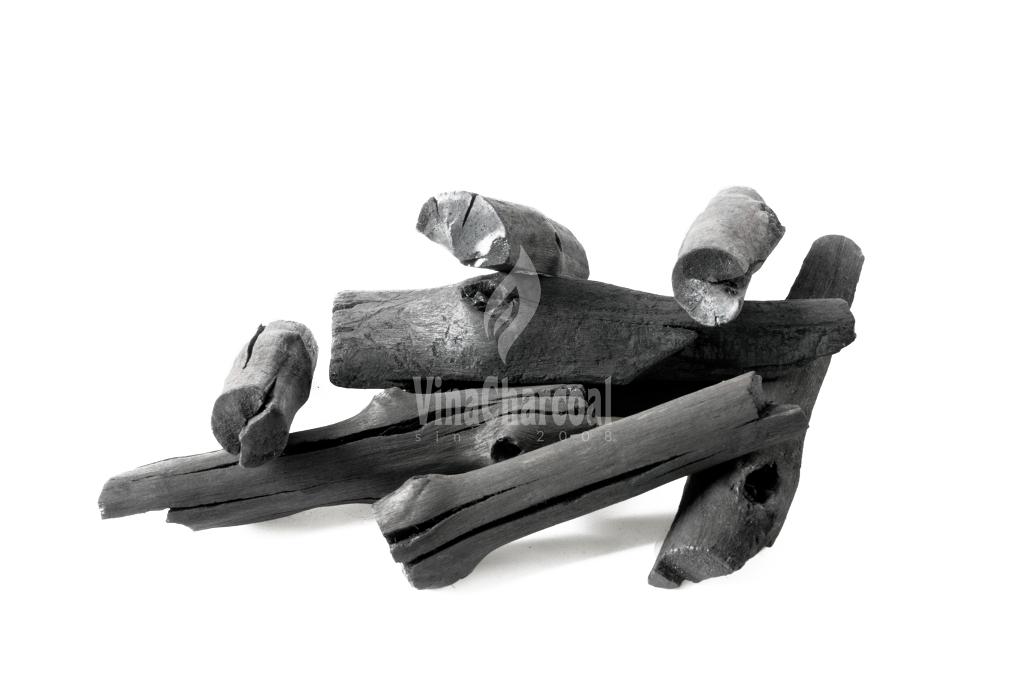
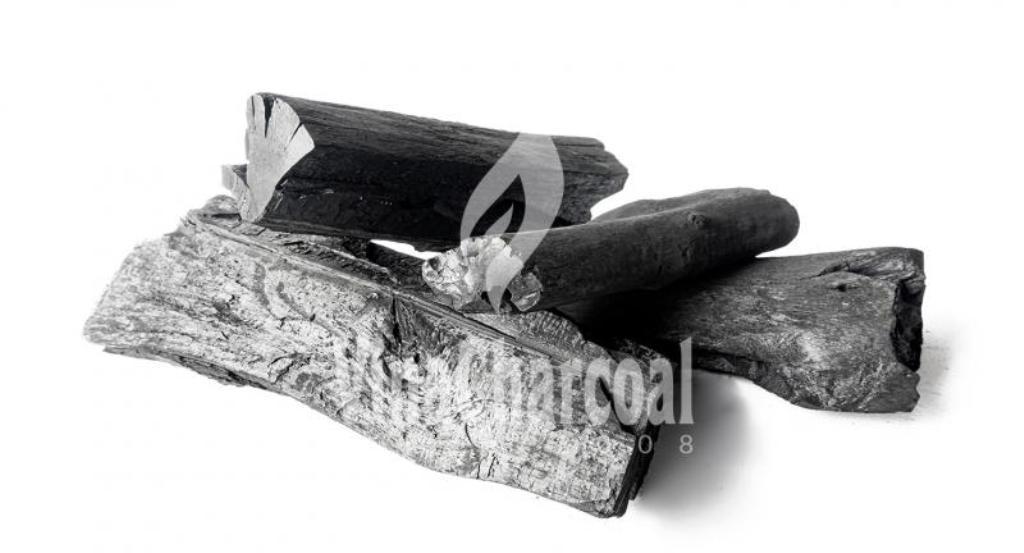
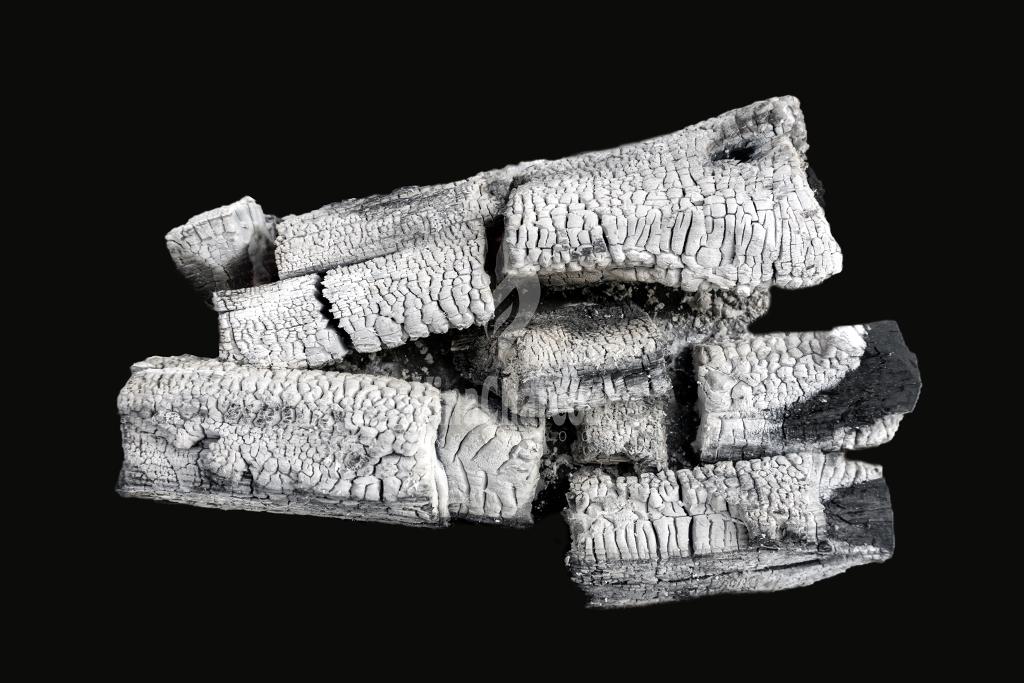
Mangrove Wood Charcoal is a natural hardwood charcoal produced from mangrove wood and is widely recognized as one of Vietnam’s traditional BBQ charcoal products. Thanks to its dense wood structure and relatively high density, the charcoal delivers strong heat output and stable burning performance, making it suitable for both commercial and household use.
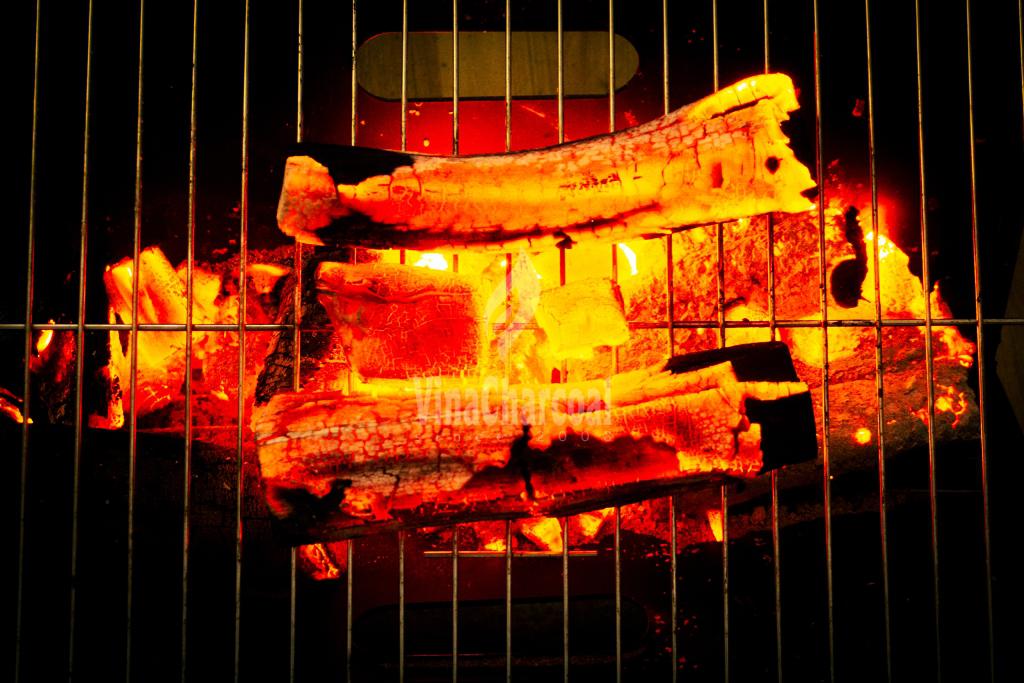
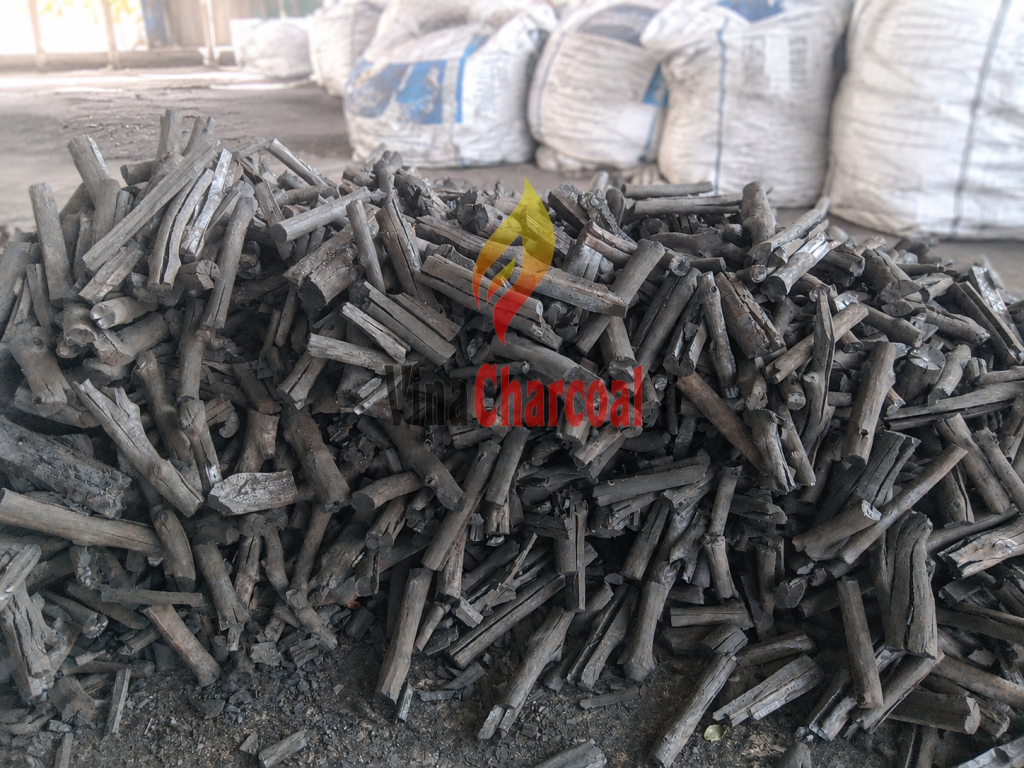
The product is primarily available in natural stick form with relatively uniform dimensions. During use, it burns steadily with low smoke, low odor, minimal sparking, and low ash content. Its solid structure also helps reduce breakage during handling, transportation, and use.
Mangrove Wood Charcoal is commonly used for BBQ restaurants, outdoor grilling, camping, household cooking, and food-service applications. Smaller-diameter sticks may also be used as natural charcoal for shisha in certain markets.
Size Diameter Φ 20 – 80 mm, Length 200 – 250 mm
Fixed Carbon > 70%
Calorific Value > 7000 kcal/kg
Ash Content < 3%
Moisture < 5%
Burning Time Approximately 3 hour
Packaging
- PP/BOPP Bags: 10 – 25 kg
- PP/BOPP Small Bags: 3 – 7 kg
- Carton Boxes: 3 – 10 kg
Supply Information
- Supply Capacity: 500 MT/month
- Loading Capacity: 28 MT/40’HC
- MOQ: 1 x 40’HC container
- Payment Terms: TT (30% deposit) or L/C at sight
- Delivery Time: Approximately 15 days
- Loading Port: Ho Chi Minh Port, Vietnam
Mangrove trees belong to a typical tropical coastal species group and are well adapted to brackish water, saline soils, and tidal environments. Their extensive root systems help stabilize coastal land, reduce erosion, and create favorable ecological conditions for various aquatic species.
In Vietnam, mangrove forests are developed for two main purposes: preventing saltwater intrusion and creating natural ecosystems for aquaculture activities, including shrimp, crab, and other seafood farming. In practice, the integrated mangrove–aquaculture model has become a common and sustainable land-use approach in many coastal areas of Southern Vietnam.
Due to the biological characteristics of mangrove trees, these ecosystems generally perform most effectively when the forests are maintained at approximately 8–12 years of age. During this growth stage, mangrove trees provide good wood density, healthy growth, strong resistance to coastal storms, and stable canopy coverage that supports aquaculture ecosystems.
For older mangrove trees, the trunk and wood core may gradually develop natural hollowing and internal decay, reducing structural strength and increasing the risk of breakage. Therefore, mangrove forests are typically harvested in rotation and replanted in cycles to maintain healthy forest conditions while preserving long-term ecological sustainability.
Unlike many wood species with higher commercial value for furniture manufacturing, industrial wood processing, or construction, mangrove wood has relatively limited applications for value-added wood industries. It is also less suitable as direct firewood due to difficult ignition, relatively heavy smoke generation, and lower thermal efficiency when burned directly.
However, due to its dense wood structure, high wood density, and relatively high natural lignin content, mangrove wood becomes an excellent raw material for charcoal production after carbonization. The resulting charcoal typically offers high hardness, low breakage rate, good heat output, long burning duration, and stable heat performance, making it widely recognized as one of the premium natural hardwood charcoal categories for BBQ and cooking applications.
Thanks to Vietnam’s long coastline and favorable tropical climate conditions in Southern Vietnam, the supply of mangrove wood generated through rotational harvesting and replanting remains relatively stable each year. Raw material harvesting activities are conducted in accordance with applicable forest management and land-use regulations to maintain a balance between economic value and ecosystem conservation.
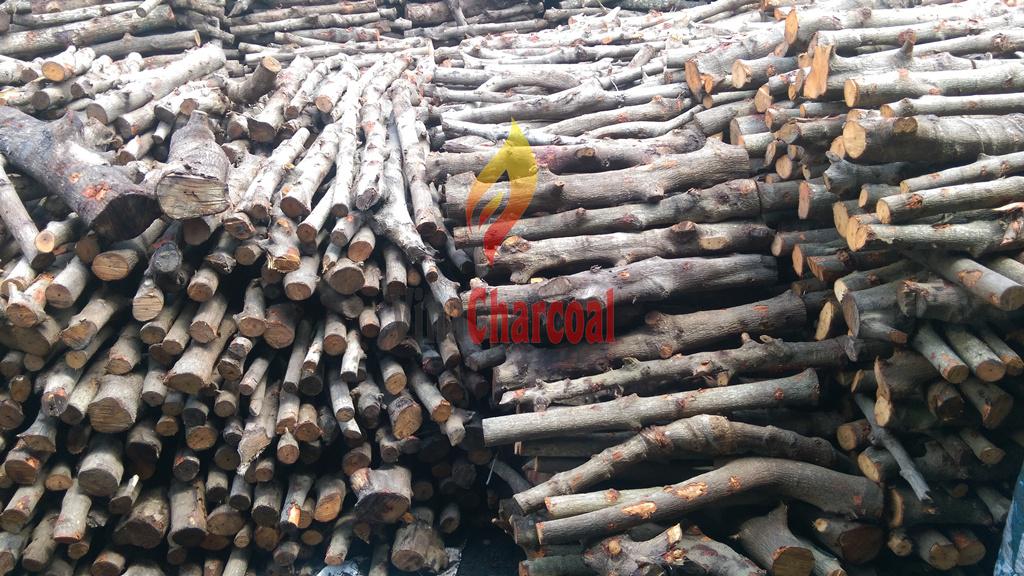
After harvesting, mangrove wood materials are freshly cut and processed into stick forms with an average length of approximately 500 mm and diameters ranging from 50–150 mm. Before entering the carbonization kilns, dry, decayed, hollow, or unsuitable wood sections are removed to ensure more stable finished charcoal quality throughout the production process.
- PP/BOPP Bags: 10 – 25 kg
- PP/BOPP Small Bags: 3 – 7 kg
- Carton Boxes: 3 – 10 kg
Supply Information
- Supply Capacity: 500 MT/month
- Loading Capacity: 28 MT/40’HC
- MOQ: 1 x 40’HC container
- Payment Terms: TT (30% deposit) or L/C at sight
- Delivery Time: Approximately 15 days
- Loading Port: Ho Chi Minh Port, Vietnam
Overview
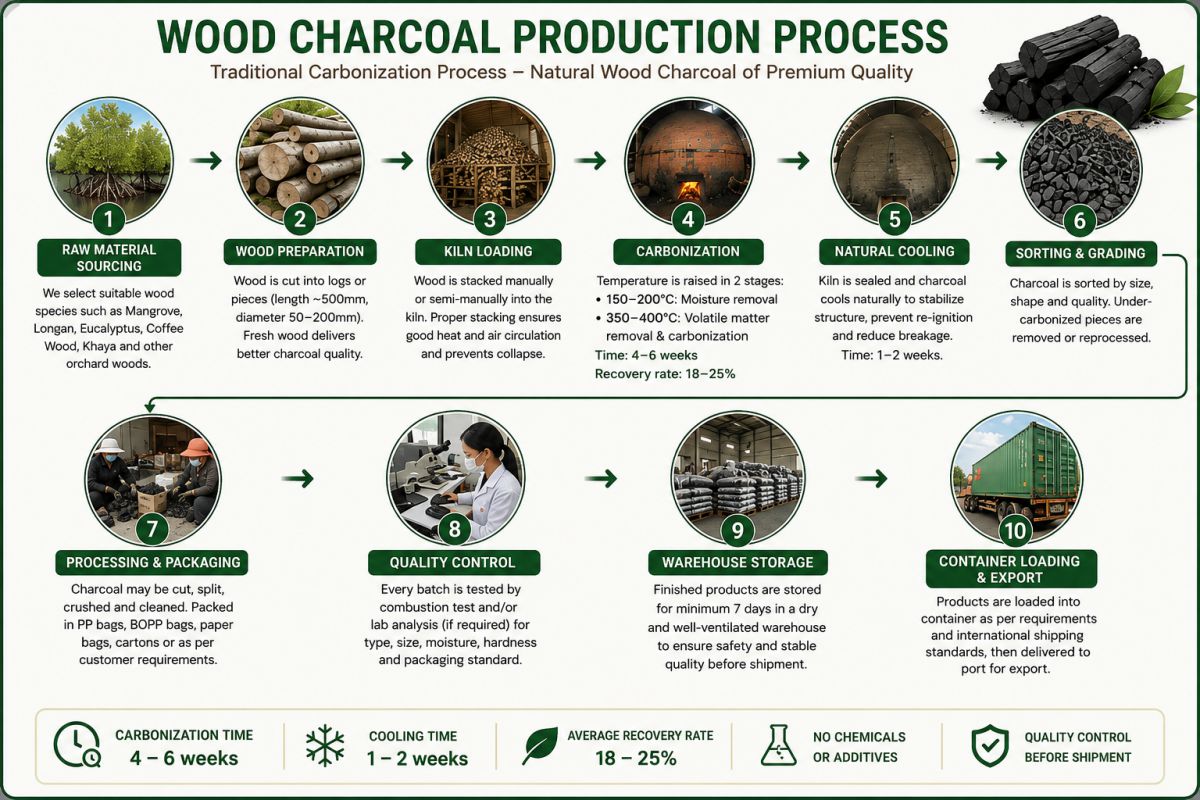
Natural wood charcoal is produced from suitable wood species (typically wood materials with limited value for advanced wood processing applications) such as Mangrove, Longan, Eucalyptus, Coffee Wood, Khaya, and various orchard wood species through a carbonization process under oxygen-limited conditions.
During this process, most moisture, natural oils, wood tar, and volatile organic compounds are removed, while the carbon content is retained to form natural charcoal.
The production process consists of multiple stages, including raw material preparation, carbonization, sorting, packaging, and quality inspection before shipment, ensuring that the final products meet technical requirements, commercial specifications, and international transportation standards.
Step 1. Raw Material Sourcing
Raw materials are selected from wood species suitable for charcoal production, including Mangrove, Longan, Eucalyptus, Coffee Wood, Khaya, and various orchard wood species.
Depending on the product category, the wood may originate from plantation forests, fruit orchards, or other appropriately managed raw material regions.
Step 2. Wood Preparation
The wood is cut into logs or billets suitable for the carbonization process. Typical dimensions are approximately 500 mm in length and 50–200 mm in diameter. Larger logs are further cut or split to achieve the required size range.
Standardizing the raw material dimensions helps improve carbonization efficiency and facilitates subsequent grading and packaging operations.
For charcoal production, freshly harvested wood is generally preferred, as it often produces stronger and more stable charcoal after carbonization.
Step 3. Kiln Loading
The prepared wood is loaded into the carbonization kilns manually or semi-manually.
Proper and uniform stacking ensures efficient heat and airflow circulation throughout the kiln during the production cycle while minimizing shifting, collapsing, or breakage of the material.
Step 4. Carbonization
This is the most important stage of the entire production process.
The kilns are designed with dedicated firing chambers that gradually increase the internal temperature through two main stages:
Stage 1 – Moisture Removal (150–200°C)
Free water and internal moisture are gradually removed from the wood. This stage essentially functions as a thermal drying process.
Stage 2 – Carbonization (350–400°C)
The temperature continues to rise, removing the remaining moisture, natural oils, wood tar, and volatile organic compounds. Under oxygen-limited conditions, the wood structure is gradually transformed into charcoal while the carbon content is retained to form natural wood charcoal.
Depending on the wood species, kiln design, kiln size, and environmental conditions, the carbonization process typically takes between 4 and 6 weeks.
This is the most important stage of the entire production process.
The kilns are designed with dedicated firing chambers that gradually increase the internal temperature through two main stages:
The average charcoal recovery rate ranges from approximately 18–25%, meaning that every 100 kg of raw wood typically yields around 18–25 kg of finished charcoal.
Step 5. Natural Cooling
After carbonization is completed, all kiln openings are completely sealed, allowing the charcoal to cool naturally. This is the final stage of the carbonization process.
Natural cooling helps stabilize the charcoal structure, minimize cracking, and prevent re-ignition when exposed to oxygen. The cooling period typically lasts between 1 and 2 weeks, depending on kiln size and construction.
Step 6. Sorting & Grading
After unloading from the kiln, the charcoal is sorted according to size, shape, and quality.
Products that do not meet the required standards, such as partially carbonized or under-carbonized pieces, are removed or reprocessed when appropriate.
Step 7. Processing & Packaging
Depending on customer requirements, the charcoal may be cut, split, crushed, or cleaned to remove any remaining bark before packaging.
Products are packed in PP bags, BOPP bags, paper bags, cartons, or other packaging formats according to customer specifications and target market requirements.
Step 8. Quality Control
Each production batch undergoes quality inspection before shipment.
Quality verification may include combustion testing after kiln unloading and laboratory analysis when requested by customers.
Inspection criteria typically include charcoal type, size, moisture content, hardness, and packaging specifications according to internal standards or customer requirements.
Step 9. Warehouse Storage
After packaging, finished products are stored for a minimum of 7 days in dry and well-ventilated warehouse conditions to ensure fire safety and maintain stable product quality prior to shipment.
Step 10. Container Loading & Export
Products are loaded into containers according to packaging specifications, customer requirements, and international maritime transportation standards.
After final inspection, the cargo is transported to the port and exported under the agreed international trade terms.
THALOCA’s production network is strategically located near key raw-material regions throughout Vietnam to optimize transportation costs and maintain a stable supply chain. Main production areas include Hung Yen, Yen Bai, Vinh Long, Can Tho, Binh Phuoc, and Ca Mau.
Yes. THALOCA welcomes customers, partners, and inspection agencies to visit our facilities. We encourage customers to evaluate our production capacity, quality control system, packaging process, and supply capability before establishing long-term cooperation.
THALOCA exports to Japan, South Korea, Australia, New Zealand, Saudi Arabia, UAE, Qatar, Kuwait, the United Kingdom, Russia, Spain, Turkey, the United States, and other international markets.
Yes. Free product samples are available for quality evaluation. International courier charges are usually borne by the customer or negotiated case by case.
THALOCA supplies five main product groups: Wood Charcoal, Sawdust Charcoal, Coconut Charcoal Products, Binchotan-Style White Charcoal, and Household Biomass Fuels such as Wood Pellets and Wood Sawdust Briquettes.
Each product has unique characteristics depending on its raw material and production technology. Wood charcoal is made from natural firewood. Sawdust charcoal offers high calorific value and long burning time. Coconut charcoal is ideal for BBQ and shisha applications. Binchotan is the premium category with high carbon content, almost no smoke, minimal odor, and exceptional burning performance.
Depending on the product and market requirements, THALOCA can provide technical specifications, laboratory test reports, FSC, SGS, Vinacontrol, and other certifications requested by customers.
Yes. We cooperate with SGS and other independent inspection organizations designated by customers during production, before packing, or before container loading.
Since 2008, THALOCA has been supplying charcoal and biomass fuel products to customers across Japan, South Korea, Australia, the Middle East, Europe, and many other international markets.
Over the years, we have received a wide range of questions regarding products, quality standards, OEM services, export documentation, payment terms, logistics, and ordering procedures. To help customers quickly find the information they need, we have compiled the most frequently asked questions below.
If you cannot find the answer you are looking for, please feel free to contact the THALOCA team. We are always ready to provide support and recommend the most suitable solution for your business needs.